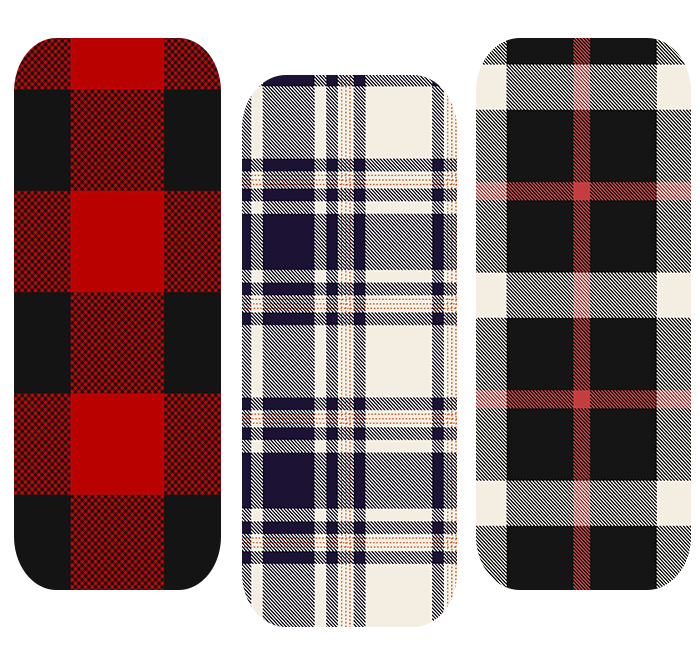
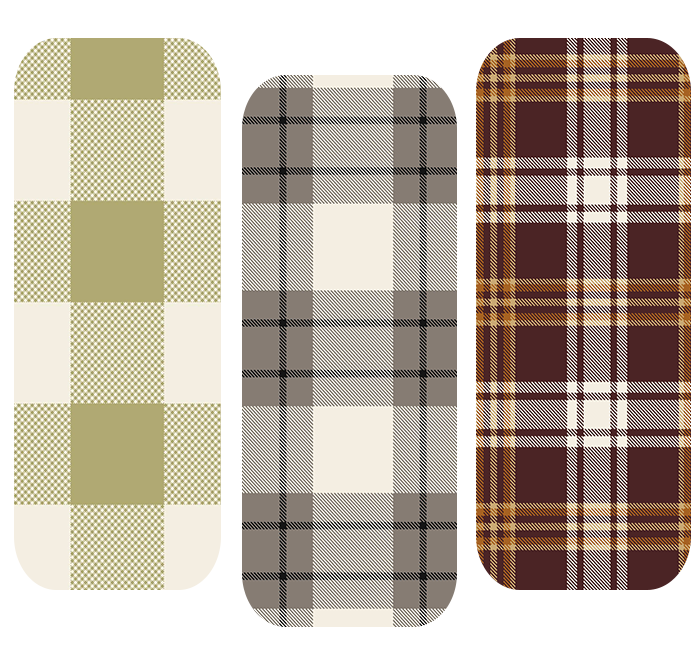
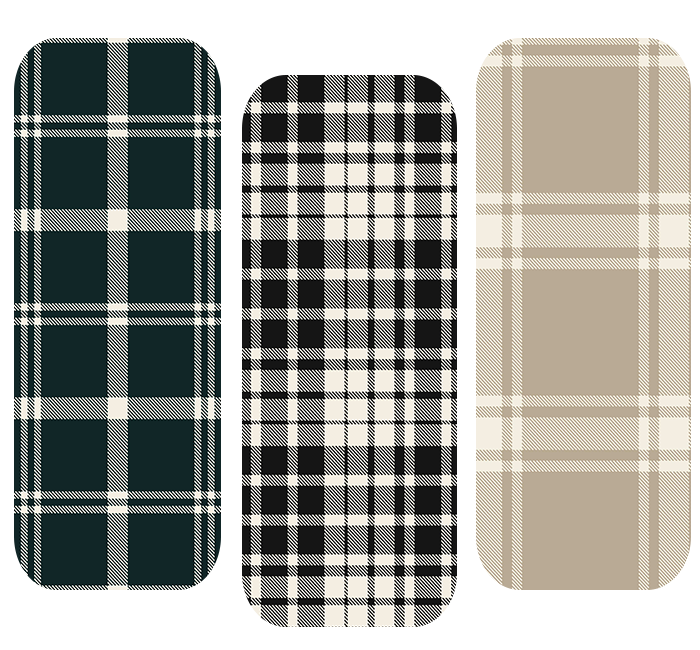
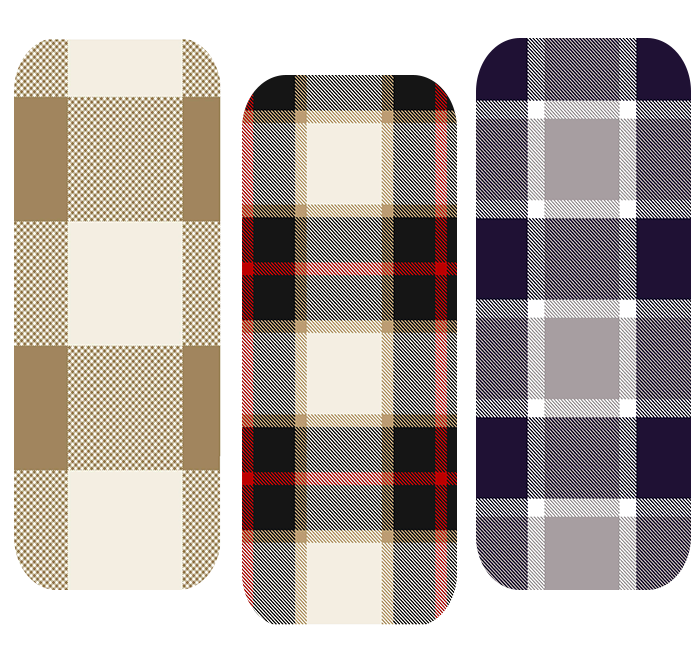
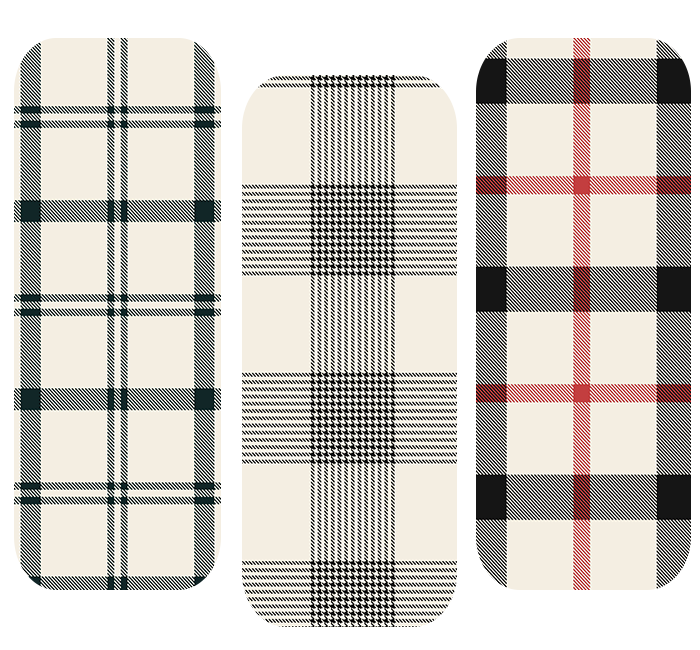
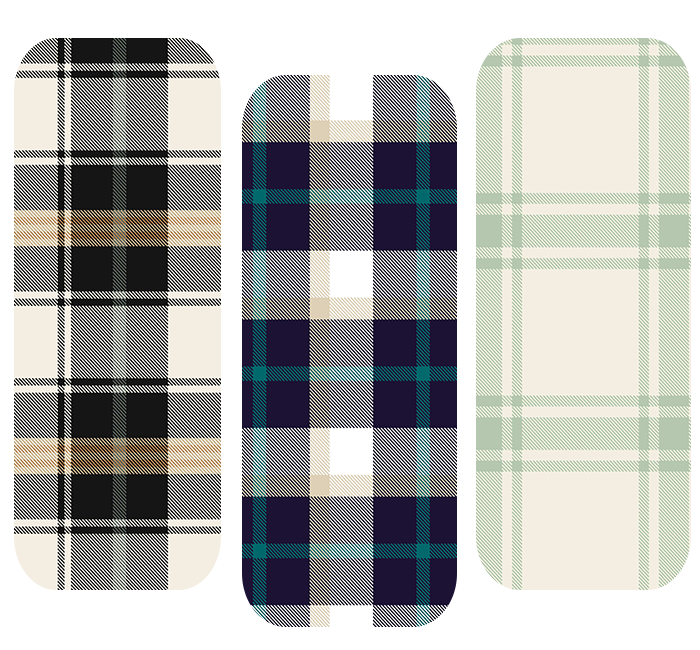
Woolen Collection

Types of Shirting Fabric

Cottonbreathable, soft, and durable. Ideal for casual shirts.
LinenNatural, textured, and absorbent. Perfect for summer shirts.
Oxford Clotha type of cotton fabric with a soft, woven texture.
TwillA durable, diagonal-ribbed fabric. Great for business shirts.
FlannelSoft, brushed cotton fabric. Ideal for winter shirts.

Benefits of Different Shirting Fabrics

  • Moisture-wicking : Keeps you dry and comfortable.
  • Breathability : Allows for airflow and temperature regulation.
  • Softness : Gentle against the skin.
  • Durability: Resistant to wear and tear.
  • Sustainability : Eco-friendly options like organic cotton or recycled materials.

Shirting Fabric Trends

  • Sustainable Fabrics : eco-friendly materials are gaining popularity.
  • Performance Fabrics : moisture-wicking and breathable fabrics for active wear.
  • Classic Patterns : stripes, checks, and plaids remain timeless choices.
  • Bold Colors : vibrant hues are making a statement in shirting fabrics.

How to Choose the Right Shirting Fabric

  • Consider the occasion : formal, business, or casual.

  • Think about the season : lightweight for summer, heavier for winter.

  • Look at the weave : tight weaves for durability, loose weaves for breathability.

  • Check the care label : easy care or dry cleaning?

Common Shirting Fabric Terms

  • Thread count : the number of threads per square inch.

  • Weave : the pattern of interlacing threads.
  • Weight : the heaviness or lightness of the fabric.

  • Finish : any additional treatments or processes applied to the fabric.

Sustainable Fabrics

  • Organic cotton : grown without toxic pesticides or synthetic fertilizers.

  • Recycled materials : post-consumer plastic waste transformed into fibers.

  • Tencel : a sustainable form of lyocell fiber made from wood pulp.
  • Hemp : a durable, eco-friendly fabric with natural insulation properties.

Scroll to Top